
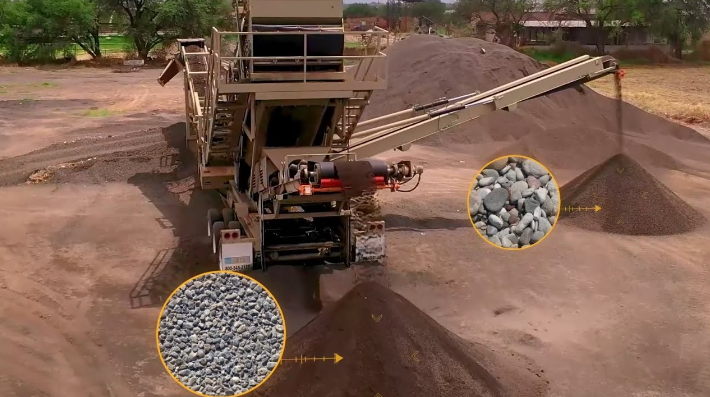
How our valorization plant works
In response to the growing need for more sustainable waste management, CHM presents its innovative Non-Hazardous Waste Recovery plant in Albatera, near Alicante and Murcia. This essential facility not only receives the rubble generated by the region's construction projects but also transforms it into useful resources through a carefully designed process.
Environmental benefits of waste valorization
The commissioning of this plant marks a significant advancement towards minimizing waste and promoting more responsible and environmentally friendly practices. sustainabilitythe reuse and the circular economy These are the pillars upon which this new approach is based. By transforming waste into aggregates and other reusable materials, the negative environmental impacts associated with traditional landfill disposal are reduced.

Efficiency in the transformation process
The Albatera Non-Hazardous Waste Valorization Plant offers a comprehensive and sustainable solution for waste management. From the reception of materials to their transformation and storage, each step is carried out with efficiency and environmental care. Through advanced technologies and efficient operational practices, an optimal and environmentally friendly transformation process is guaranteed.
Positive impact on waste reduction
Some of the benefits of this plant include reducing waste sent to landfills, utilizing resources, creating local jobs, and complying with environmental regulations. By diverting waste from the conventional disposal stream and converting it into valuable resources, a more circular and sustainable economy is fostered in the region.

What advantages does a Non-Hazardous Waste Valorization Plant offer in the Vega Baja?
The reducing the amount of waste sent to landfills It is a fundamental aspect of waste valorization. By transforming these materials into useful resources, landfill saturation is avoided and their lifespan is extended, thus mitigating the negative environmental impacts associated with their operation. Furthermore, by reducing the need to create new landfills, the natural environment is preserved and soil and water contamination is avoided.
The resource utilization is another key benefit of waste valorization. Instead of considering waste as worthless refuse, it is given a second life by transforming it into reusable materials. This not only reduces the demand for natural resources, such as raw material extraction, but also contributes to environmental conservation by lowering the energy and water needed to produce new materials from scratch.
The Job creation and local economic development These are additional positive effects of waste-to-energy plants. These facilities require specialized labor for their operation and maintenance, which creates employment opportunities in the community. Furthermore, by fostering innovation and investment in sustainable infrastructure, local and regional economic growth is promoted, thus driving the socioeconomic development of the area.
The Environmental compliance It is fundamental to ensure that waste management is carried out safely and responsibly. Waste valorization plants are subject to strict environmental and health and safety regulations to protect the environment and public health. By complying with these regulations, it is ensured that the plant's operations are carried out ethically and sustainably, minimizing negative impacts on the surrounding environment and community.

What types of waste are admissible at a plant like this?
The CHM plant in Albatera can process a variety of construction waste, such as: mining extraction waste, concrete, bricks, tiles, and bituminous mixtures. These include materials such as gravel, crushed rocks, sands, clays, concrete, bricks, tiles, ceramic materials, and bituminous mixtures, among others. These materials are transformed into aggregates that can be reused in various applications, from road construction up to gardening and urban ornamentation.
What is the treatment for this waste?
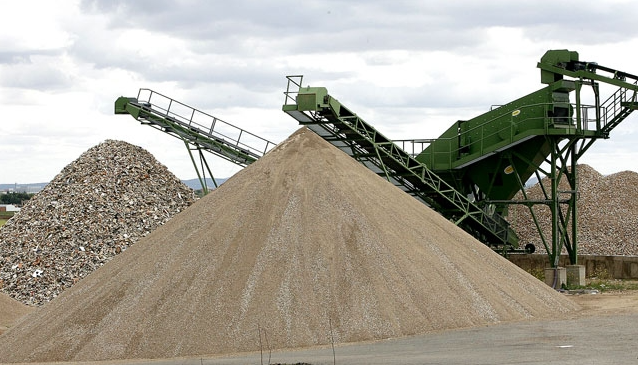
The waste treatment cycle at the CHM plant covers from the reception and separation of waste to the crushing, screening, and storage of recycled aggregates. This process ensures efficiency and sustainability in the management of construction materials, thus contributing to the conservation of natural resources and the protection of the environment.
First, the waste reception, where an exhaustive initial classification and separation takes place. This allows for the identification of different types of materials and ensures they are directed to the appropriate processes within the plant. Once classified, the waste undergoes a shredding process, where its size is reduced to facilitate handling and subsequent processing.
Afterwards, the crushed materials are subjected to a screening process, where they are separated based on their size and composition. This allows for the production of recycled aggregates of different gradations, which can be used in a variety of applications, from road construction to concrete manufacturing.
Finally, recycled aggregates are stored properly for later use. This storage is carried out carefully and in an orderly manner, following relevant environmental and safety regulations. This ensures that recycled materials are available for reuse in future construction projects, thus contributing to the conservation of natural resources and the protection of the environment.

More information about the Valorization plant
The Albatera non-hazardous waste recovery plant is strategically located in Vega Baja, offering a personalized and efficient service. For more details on rates and services, you can contact Contact with us. With the Non-Hazardous Waste Recovery Plant in Albatera, CHM is paving the way towards a more sustainable and responsible future in construction waste management in the Alicante and Murcia region.