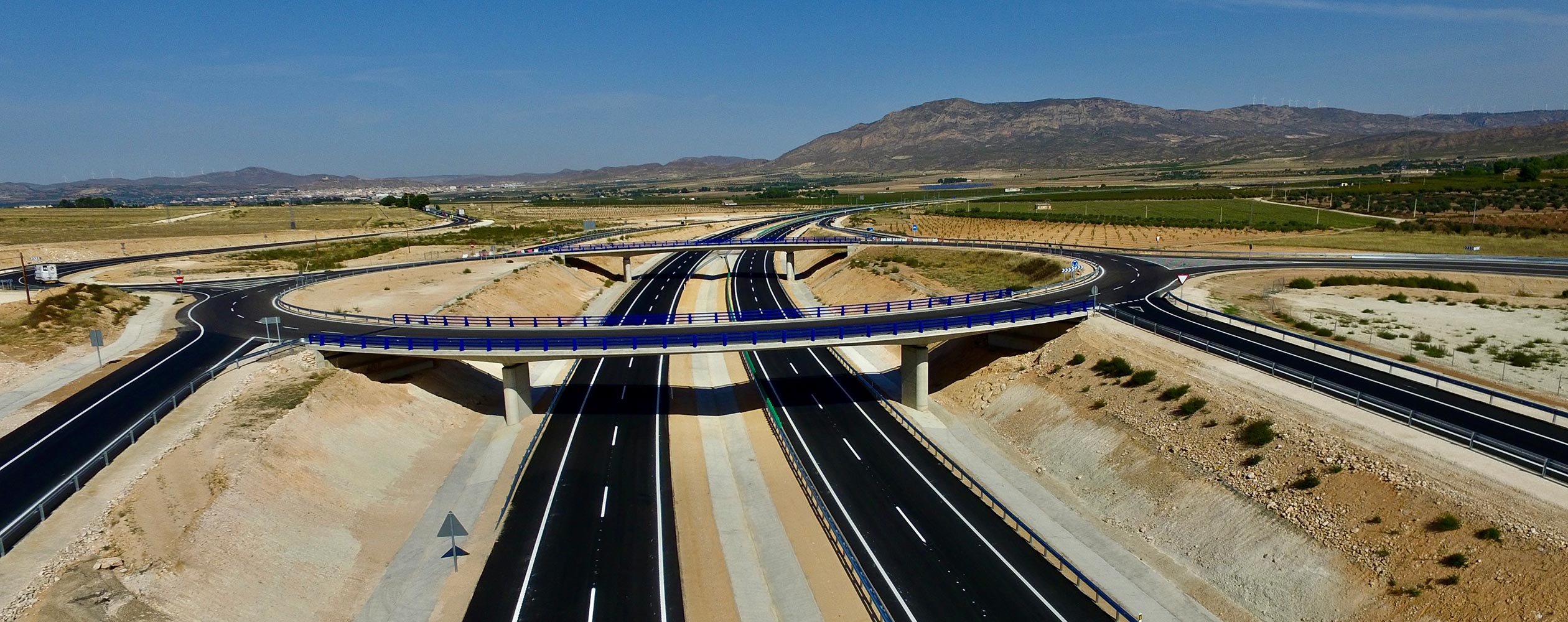
Road construction has been a fundamental aspect of infrastructure development throughout history. From the first rudimentary paths to modern highways, humanity has made considerable progress in how these vital communication routes are planned, designed, and built. How is a road built? For CHM, understanding the complete road construction process is essential to ensure successful and long-lasting projects.

Planning Road Construction
Feasibility Studies
Feasibility studies are the crucial starting point in planning any road construction project. CHM Construcciones is dedicated to conducting comprehensive analyses that cover financial, technical, environmental, and social aspects. These studies provide the basis for making informed decisions about the project's viability and its impact on the community.
Route Design and Topography
Route and topography design is a critical phase in road construction planning. CHM's experts use cutting-edge technology to map out the best possible route, taking into account factors such as terrain, geology, and hydrology. Additionally, structures like bridges and tunnels are designed to ensure traffic safety and efficiency.
Site Preparation
Clearing and Excavation
Once the route has been defined, land clearing and excavation begin. CHM has an extensive fleet of heavy machinery, including backhoes and bulldozers, to carry out these tasks efficiently and safely. Natural obstacles are removed and the terrain is leveled according to design specifications.
Drainage and Foundation
Proper drainage is essential to ensure road stability and durability. CHM installs efficient drainage systems, such as pipes and ditches, to prevent water accumulation and mitigate erosion issues. Additionally, road bases are constructed using carefully selected materials to withstand traffic loads and local weather conditions.
Paving and Construction
Pavement Layers
Paving is one of the final but most critical stages in road construction. CHM utilizes state-of-the-art technology to apply layers of floor high-quality, providing a strong and durable surface. Reinforced concrete and high-performance asphalt are used to ensure structural stability and adequate vehicle grip.
Signage and Marking
Road safety is a priority for CHM. Traffic signs, road markings, and safety devices are installed to guide drivers safely along the road. Factors such as visibility, traffic speed, and intersection locations are considered to design effective signage systems.

Maintenance and Final Considerations
How is a road built? Maintenance Programs
Once construction is complete, CHM implements preventive maintenance programs to ensure the road remains in optimal condition over time. This includes regular inspections, surface repairs, and infrastructure improvements as needed. The goal is to extend the road's lifespan and ensure user safety.
Environmental and Community Impact
CHM is committed to minimizing the environmental and community impact of its projects. Comprehensive environmental impact assessments are conducted, and mitigation measures are implemented to protect local ecosystems and reduce disturbances for nearby residents. Furthermore, community engagement is encouraged throughout the planning and construction process to ensure effective collaboration and a positive long-term relationship.
The Future of Road Construction
As technology advances and new construction techniques are developed, CHM is at the forefront of innovation in the road sector. From the implementation of sustainable materials to the adoption of more efficient construction techniques, the company strives to continuously improve its practices and contribute to the sustainable development of road infrastructure.
In conclusion, if you were wondering how a road is built, you now know that it is a complex process requiring expertise, technology, and a commitment to quality and safety. CHM is proud of its track record in the industry and its ability to provide comprehensive solutions that meet the needs of its clients and the community at large.